






Caravan Air Conditioners
Rooftop, under-bunk and reverse cycle caravan air conditioners from Dometic, Truma, Webasto, Furrion and Coleman. In stock with Australia-wide delivery.
Caravan Air Conditioners for Australian Conditions
A caravan air conditioner keeps the cabin liveable when outside temperatures push past 40°C in central and northern Australia. Unlike household split systems, a caravan aircon is built to handle constant road vibration, dust ingress, and voltage fluctuations from portable generators. Most units run on 240V mains power, and newer inverter models with soft start technology draw up to 70% less startup current, making them compatible with smaller generators and battery-inverter setups for free camping.
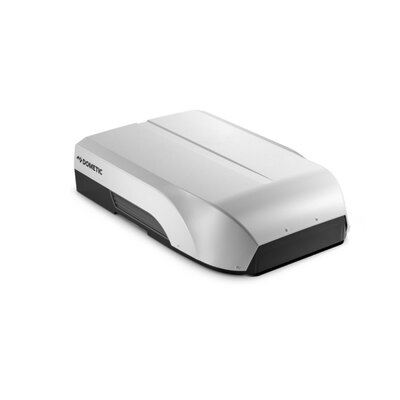
Rooftop caravan air conditioners are the most common type in Australia. They mount over a standard 400mm x 400mm roof opening and push cooled air down through an internal distribution box. Under-bunk air conditioners suit pop-tops and lightweight caravans where the roof structure cannot support 30–45 kg of rooftop weight. Reverse cycle caravan air conditioners provide both cooling and heating from one unit, which matters when you hit cold inland nights after a hot day on the road.
How to Size a Caravan Air Conditioner
Cooling capacity is measured in kilowatts (kW) or BTU. The right caravan aircon size depends on your van length, insulation quality, window count, and the climate you travel in. A poorly insulated van or one with large windows will need a higher-capacity unit than the length alone suggests. If you plan to travel through extreme heat in the Top End or western Queensland, size up rather than down.
- Up to 5 metres: 2–2.5 kW (approx. 7,000–8,500 BTU). Suits camper trailers and compact caravans. Models like the Webasto Cool Top Trail 24 or Dometic FreshJet 7 Series Lite fit this range.
- 5–6 metres: 2.5–3 kW (approx. 8,500–10,000 BTU). The Furrion 9000 BTU Rooftop, Furrion 9000 BTU Under-Bunk, and Dometic FreshJet Pro cover this bracket.
- 6 metres and above: 3.5 kW+ (12,000+ BTU). Larger vans, especially those with slide-outs, need the Furrion 12000 BTU Rooftop or Dometic FreshJet 7 Series Plus. Dual-zone setups are worth considering for vans over 7 metres.
For a detailed breakdown, read our Complete Buyer’s Guide to Caravan Air Conditioners.
Startup Current, Soft Start and Power Supply
A standard caravan air conditioner compressor draws a high surge of current at startup, often 3–10 times the running amperage. On a typical 10A caravan park power supply, this surge can trip the breaker if other appliances are running at the same time. Inverter-type caravan air conditioners and units with built-in soft start reduce this surge by ramping the compressor up gradually. This also cuts the loud “thump” at startup that older units are known for.
If you plan to run a caravan aircon from a generator while free camping, a soft start makes a 2,200–2,400W inverter generator viable for units that would otherwise need a 3,000W+ generator. For battery-inverter setups, expect to need a minimum 3,000W pure sine wave inverter and a lithium battery bank of 200Ah or more (at 12V) to get meaningful runtime.
Caravan Air Conditioner Noise
Noise is one of the most common complaints in caravan forums, and it varies between models. Most modern rooftop caravan air conditioners produce 38–50 dB internally on low fan speed, which sits between a whisper and a quiet conversation. Older non-inverter models tend to be louder at startup and cycle on and off throughout the night. Inverter caravan air conditioners run the compressor at variable speed, which keeps noise more consistent and avoids the hard start “clunk” that wakes light sleepers. Under-bunk units can transmit vibration through the van floor, so check that mounting hardware includes rubber isolators.
Maintaining Your Caravan Air Conditioner
A caravan air conditioner that is not maintained will lose cooling capacity and can leak water inside the van. Clean the internal air filters every 2–4 weeks during heavy use, especially after extended travel on dusty roads. Clear the drain holes on the rooftop unit at least twice a season to prevent water pooling on the ceiling panel. Inspect the condenser fins on the external housing for leaf debris, cobwebs, and bent fins. A blocked condenser forces the compressor to work harder, increasing power draw and shortening the unit’s lifespan. Manufacturer service intervals vary, but a full inspection every 12–24 months is a reasonable baseline for touring caravans.
What You Might Need As Well
Pairing your caravan air conditioner with the right power and ventilation gear extends off-grid runtime and keeps the unit working at full capacity:
- Caravan Fans: Circulate cooled air through the van when the AC is running, or provide airflow on low-power days.
- Generators: Supply the high startup wattage needed to run larger air conditioners while free camping. A 2,200W+ inverter generator handles most units with a soft start fitted.
- Inverters: Convert 12V or 24V battery power into 240V so your caravan air conditioner can operate off-grid. Size at minimum 3,000W pure sine wave for AC units.
- DC–DC Chargers: Recharge your batteries from the alternator while driving to keep power levels ready for overnight cooling.
- Solar Panels: Top up your batteries during the day. Note: solar alone will not sustain a caravan aircon overnight. Treat solar as a supplement, not a primary power source for AC.
- Battery Monitors: Track power use in real time so you know how much capacity remains when running the AC.
Frequently Asked Questions
Do I need a soft start for my caravan air conditioner?
Not always, but it helps in two common situations. If you run your caravan aircon from a generator under 3,000W, a soft start reduces the compressor’s startup surge by up to 70%, letting a smaller generator handle the load without tripping. If you’re on a 10A caravan park outlet and want to run the AC alongside a kettle or microwave, a soft start prevents the breaker from tripping at startup. Newer inverter-type caravan air conditioners from Dometic and Truma have soft start built in. Older units can be retrofitted with an aftermarket soft start module.
Can a pop-top caravan have a rooftop air conditioner?
It depends on the roof structure. Most rooftop caravan air conditioners weigh between 30 and 45 kg. Pop-top roofs and lightweight composite panels may not support that load. Check the manufacturer’s stated roof load rating before buying a rooftop unit. If the roof cannot handle the weight, an under-bunk or split system caravan air conditioner is the better option. These mount inside a cupboard or under a bed, keeping all weight low in the van.
How many solar panels do I need to power an air conditioner?
Air conditioners are one of the most power-hungry appliances in a caravan. A small 2–2.5kW unit could need over 1.5kW of solar panels and a large lithium battery bank to run reliably.
Larger units may need closer to 2kW or more of solar capacity. For most travellers, solar alone will not keep an AC running for long, so a generator, batteries or powered site is often the practical choice.
Can I run my caravan air conditioner while driving?
Most caravan air conditioners can only run when connected to 240V power, so they won’t operate during travel. Some models can run with a 12V DC kit or generator, but these setups require extra installation and a strong alternator. Many drivers rely on the vehicle’s air conditioning while on the move, then switch the caravan AC on once parked.
What’s the difference between rooftop and under-bunk caravan air conditioners?
Rooftop units sit on top of the van, saving internal space and pushing cool air down evenly through the living area. They’re the most popular choice for standard caravans and motorhomes. Under-bunk units are installed inside a cupboard or under a bed, making them ideal for pop-tops or smaller vans with lightweight roofs that can’t support a rooftop system.
What is a reverse cycle caravan air conditioner?
A reverse cycle system can both cool and heat your caravan. In summer, it removes heat from inside and transfers it outside. In winter, it works in reverse, drawing heat from outside air and moving it indoors. This makes it more efficient than basic heating element models and allows year-round comfort from one unit.
Popular Caravan Air Conditioner Brands






Find the best caravan air conditioner
Compare rooftop vs under-bunk units, inverter efficiency, and cooling capacities.
