






Air Beds
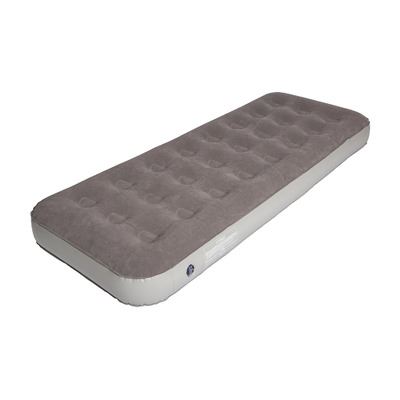
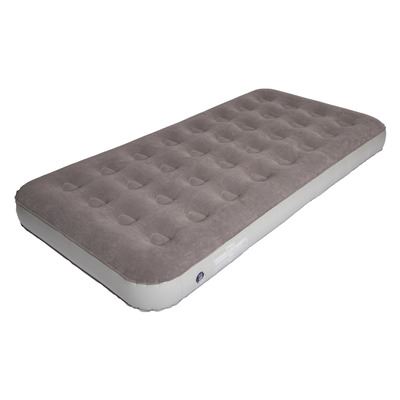
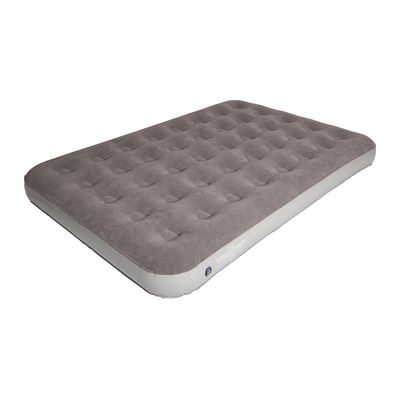
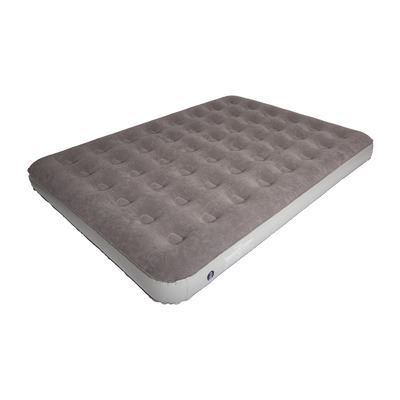
Camping air beds and inflatable mattresses in stock and shipped across Australia.
Choosing the Right Camping Air Bed
A camping air bed sits between you and the ground, and the ground is where most heat loss happens overnight. Standard air beds have no built-in insulation, so the air inside cools to match the ground temperature within a few hours. On a 5°C night, an uninsulated air bed will feel noticeably cold by 2am, even inside a decent sleeping bag. The fix is pairing your air bed with a ground tarp underneath and a sleeping bag rated 5 to 10 degrees below the coldest temperature you expect.
Size matters more than people think. A single air bed is around 185cm x 73cm and fits most solo tents with room for a bag beside you. A queen air bed runs about 200cm x 150cm and needs a tent with at least a 210cm x 210cm floor, otherwise you're fighting the tent walls all night. Double-high air beds (40cm+) are more comfortable to get in and out of, but they catch more wind inside a tent with poor ventilation, so keep the fly open when you can. Check your tent floor dimensions before buying a queen.
Air Bed Types: Built-In Pump vs Manual Inflation
Air beds with a built-in electric pump inflate in 2 to 4 minutes and run off 240V mains power or a rechargeable battery. They're the most convenient option for powered campsites and car camping where you have access to a power outlet or a portable power station. The trade-off is weight. Built-in pump models tend to be heavier and pack down larger because of the motor housing.
Manual inflation air beds use a hand pump, foot pump, or 12V pump sold separately. They pack down smaller, weigh less, and work anywhere without power. A 12V pump plugged into your vehicle's cigarette lighter inflates a queen air bed in about 3 to 5 minutes. Keep a manual pump as backup in case of a flat battery.
What Else You Might Need
- Air Pumps: A 12V or manual pump is needed for air beds without a built-in motor, and acts as backup for those that do.
- Sleeping Bags: Air beds have near-zero insulation value on their own, so a sleeping bag rated for the conditions is critical for warmth.
- Ground Tarps: A tarp or ground mat underneath protects the air bed base from punctures caused by stones, sticks and rough ground.
- Sleeping Bag Liners: A liner adds 5 to 10°C of warmth and keeps the inside of your sleeping bag cleaner between washes.
Frequently Asked Questions
Why does my air bed deflate overnight?
Temperature drop is the main cause. Air contracts as it cools, so a bed inflated at 25°C in the afternoon will feel noticeably softer by morning if the temperature drops to 10°C. This is normal physics, not a leak. Top up the air bed before sleeping. New air beds also stretch slightly in the first few uses, which can feel like deflation. If the bed is flat by morning, check the valve seal and run a soapy water test on the seams for punctures.
Should I get an air bed or a self-inflating mat?
Air beds are thicker (20cm to 46cm), feel more like a mattress, and suit car camping where weight is not a concern. Self-inflating mats have a foam core that provides built-in insulation, making them warmer in cold weather. For summer car camping on powered sites, an air bed is more comfortable. For cooler conditions or unpowered sites, a self-inflating mat holds warmth better.
What size air bed fits in my tent?
Measure your tent floor before buying. A single air bed needs at least 190cm x 80cm of floor space. A queen needs 210cm x 160cm minimum. Most 4-person dome tents fit a queen, but you will have little room left for gear. Two singles side by side often work better in a larger tent because they allow independent firmness and a gap for bags.
How do I stop my air bed from getting punctured?
Use a ground tarp or thick mat underneath. Clear the tent floor of stones, sticks and dry grass before laying anything down. Avoid dragging the air bed across rough surfaces. Keep pets off the bed if the material is standard PVC, as claws cut through it. Pack a patch repair kit on every trip. Most punctures are on the underside, not the top.
