






Camping Showers For Sale Online
What our customers have to say about our camping showers
Real reviews from real adventurers
Camping Showers - Solar, 12V, Gas & Hot Water Systems
At OE we stock a wide range of camping showers in Australia, from simple solar bags right through to full gas hot water systems and lithium-powered setups. Whether you are heading out for a weekend or doing a lap of the country, we probably stock a shower solution here that suits your rig and your trip.
Which Type of Camping Shower Is Right for You?
There are four main types on the market, and each suits a different style of travel. Choosing the right one before you buy saves money and frustration on the road.
Solar Camping Showers
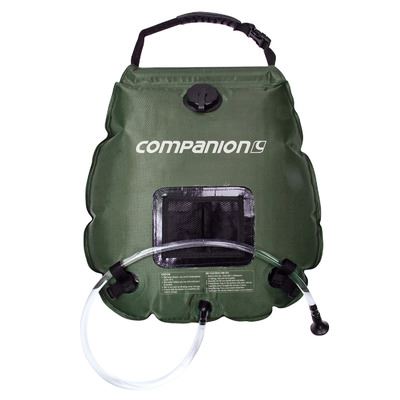
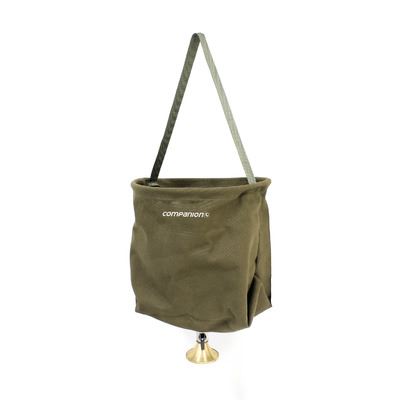
A solar shower is a black PVC bag, typically 10 to 20 litres that you fill with water and leave in the sun for several hours to warm up. They are lightweight & need no power + cost very little. The trade-off is that they rely on sunshine & warm ambient temps. But on cloudy days, in alpine areas, or in the cooler months across southern Australia, the water will not get hot enough. If you are heading north of the Tropic of Capricorn in winter, solar does the job well. If your trips take you anywhere cooler or wetter, read on.
12V Camp Showers
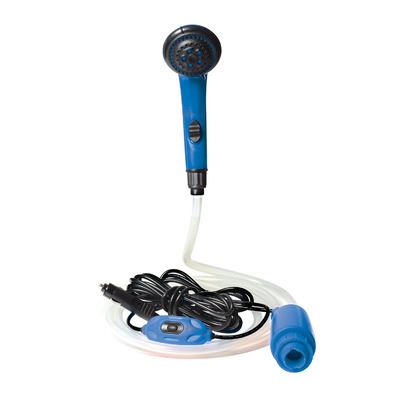
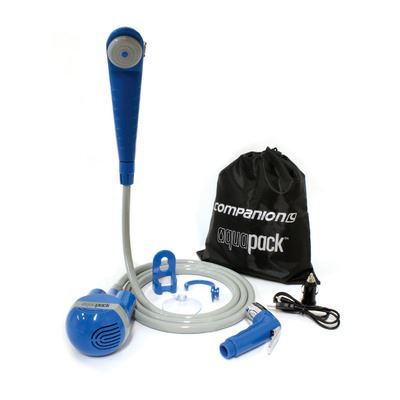
A 12V camp shower uses a small electric pump powered by your vehicle or auxiliary battery to draw water from a jerry can or tank and push it through a showerhead. They do not heat the water — you supply hot or warm water separately. These units are compact, affordable, and reliable. They suit campers who already heat water another way (a camp stove, a kettle, or a fire) and just need consistent pressure at the showerhead. A self-priming 12V pump typically delivers 4 to 6 litres per minute, which is enough for a proper wash.
Gas Hot Water Camping Showers
A portable gas camping shower connects to a standard LPG bottle and heats water on demand as it passes through the burner. You get unlimited hot water at a consistent temperature, just like at home. These systems suit families, groups, and anyone doing longer trips where cold showers are not acceptable. The Companion AquaHeat is a standout in this category — compact, fast to set up, and proven across Australian conditions. You will need a water source and a 12V pump to feed it, so factor those into your kit if you are buying a gas unit for the first time.
Lithium-Powered Hot Water Systems
Lithium camping shower systems combine a rechargeable battery with a heating element or pump, giving you hot water without relying on gas bottles or a running vehicle. They are ideal for campers who are moving to a solar-and-battery setup and want to keep everything electric. Run times vary by model, so check the specs against how many people need a shower each day before you commit.
Camping Shower Brands We Stock
We carry camping showers from Companion and Wildtrak — two brands that consistently show up on Australian campsites because they are built for the conditions here. Companion in particular is well regarded for its gas hot water systems, having been a fixture in the touring community for years. Wildtrak rounds out the range with solid 12V and portable options at a price point that suits budget-conscious travellers.
Build Your Complete Camp Shower Setup
The shower unit is only part of the picture. A few extra pieces of gear turn a basic rinse into a genuinely comfortable wash:
- Shower Tents and Ensuite Tents
Privacy at the campsite, full stop. Look for a tent with a removable or open top if you are hanging a solar shower bag from the frame — you need clearance for the weight and the flow. A quality ensuite tent also doubles as a changing room and a space to store towels and toiletries. - Water Tanks and Jerry Cans
Most shower systems draw from a portable container rather than a fixed tank. Having at least 20 litres dedicated to washing — separate from your drinking water supply — keeps your camp routine clean and your water budget honest. - 12V Water Pumps
Gas hot water systems need a pump to feed them water at the right pressure. A self-priming 12V pump delivering 6 litres per minute or more is the standard requirement. If your gas shower kit does not include one, grab a pump separately before you head out. - Camping Toilets
Set up a proper camp bathroom with a portable toilet alongside your shower. Many ensuite tents are sized to fit both.
How Much Water Does a Camping Shower Use?
Plan your water supply around these figures: a quick rinse takes about 5 litres, a full shower including washing hair takes around 10 litres, and a longer or more comfortable wash uses up to 15 litres. A low-flow showerhead makes a real difference on longer trips — it extends your water supply without making the shower feel inadequate. If you are travelling as a couple, allow at least 20 litres per wash day and carry a dedicated wash-water jerry separate from your drinking supply. Running out of water mid-shampoo is a preventable problem.
Tips for Showering Responsibly in the Bush
Most national parks and conservation areas in Australia require you to shower at least 50 metres from any waterway, using biodegradable soap. Always check the specific rules for your campsite before you set up. Grey water disposal rules vary by state — some sites require you to collect it and dispose of it in designated areas. The general rule is to shower on absorbent ground like sand or gravel rather than bare dirt, and to angle your runoff away from your camp kitchen and sleeping area.
Frequently Asked Questions
What is the best camping shower for a 4WD touring setup?
A gas hot water system paired with a 12V self-priming pump is the preferred choice for serious touring. It gives you unlimited hot water, consistent temperature control, and works regardless of weather or sunlight. If you are running a dual battery system, a lithium-powered option is also worth considering. Solar bags are a solid backup but should not be your primary shower on a long trip.
Can I use a camping shower in cold weather?
Solar camping showers will not perform well below about 15°C ambient temperature — the bag simply will not heat the water enough. A gas system or lithium hot water unit works regardless of the outside temperature, making them the better choice for winter camping in Victoria, Tasmania, or the high country.
How much water do I need for a camping shower?
A quick rinse uses about 5 litres. A full wash including hair takes around 10 litres. A longer, more comfortable shower with hot water can use up to 15 litres. Carry at least a 20-litre container dedicated to washing water when travelling as a couple, and refill it whenever you pass a water point.
What are the pros and cons of a solar camping shower?
Solar showers are cheap, lightweight, and need no power or gas. The downside is total dependency on warm, sunny weather. They work well on summer and tropical trips but struggle in overcast or cold conditions. They also take several hours to heat — plan around that if you want a warm shower in the evening.
Do I need a shower tent?
Not strictly, but most campers quickly decide they want one. A shower tent gives you privacy, keeps towels and soap dry, and makes the whole experience more comfortable. Look for a model with a reinforced top vent or open top so you can run a solar bag or overhead showerhead from above.
What should I do if I run out of water while camping?
Wet wipes are a practical short-term fix for basic hygiene. For future trips, carry a dedicated washing water jerry can topped up separately from your drinking supply, and refill it at every opportunity — roadhouses, caravan park taps, and free camp water points. Never rely on a single container for both drinking and washing on a remote trip.
