
Reverse Cycle Caravan Air Conditioners: The Easy Guide for Aussie Travellers
Why Reverse Cycle Air Conditioners Are Ideal for Aussie Caravans
Travelling around Australia means dealing with everything from scorching summer days to icy High Country mornings. A reverse cycle caravan air conditioner keeps your van cool in summer and warm in winter, all from one compact unit. It’s perfect for caravanners moving between different climates — from humid Queensland to the chilly outback.
Reverse cycle systems also protect your food, electronics and soft furnishings from extreme temperatures. In this guide, we’ll cover how they work, how to choose the right model, how to power them, and which options suit different setups.
What Is a Reverse Cycle Caravan Air Conditioner?
A reverse cycle caravan air conditioner is a clever system that can cool your caravan on a hot day and warm it up in cold conditions, all from the same compact unit. Instead of burning fuel like a gas heater, a reverse cycle air con works by moving heat, not creating it. This makes it far more efficient and perfect for caravanners travelling around Australia.
Why Reverse Cycle Is Best for Aussie Caravanning
Travelling across Australia means dealing with all kinds of weather. One week you might be camping on the Queensland coast, and the next you’re parked in the chilly outback or high country. That’s why a reverse cycle caravan air conditioner is one of the smartest pieces of gear you can add to your setup. It gives you cool air in summer and warm air in winter, all from the same compact unit.
Stay cool in extreme heat
A reverse cycle unit drops the temperature quickly and spreads cool air evenly. It handles heat far better than fans or evaporative coolers, making it ideal for coastal humidity or long inland drives.
Warmth on cold mornings
Reverse cycle heating keeps your caravan comfortable during winter trips, without the heavy power draw of plug-in heaters.
Energy efficient
You get more heating or cooling output than the watts to run you put in, which helps when using a battery bank, solar panels or a small inverter generator.
Built for Australian conditions
Reliable brands like Dometic, Air Command, and Truma design their units to handle heat, dust, humidity and long-distance travel.
Powering Your Reverse Cycle Air Conditioner
A reverse cycle caravan air conditioner can keep your van comfortable year-round, but it’s important to understand how much power these units need and how different setups handle the load. Many caravan air conditioners are power-hungry when they first switch on, so knowing your battery, solar, and generator limits helps you avoid tripping circuits or flattening your battery bank.
- Caravan parks — Easiest option — 240V mains handles the startup load and watts to run of modern units like the FreshJet, Harrier, and Ibis 4.
- Generators — Use a 2000–2400W inverter generator for quiet, stable power. Perfect for off-grid setups.
- Battery + inverter — Possible for short bursts with:
- A strong battery bank
- A 2000–3000W inverter
- Enough solar panels to recharge
- Solar alone — Solar cannot directly run an A/C — it only supports your batteries.
Quick Tip for Travellers
Always check your caravan’s wiring, amp limits, and whether adding a new unit could void warranties. If you’re unsure, speak with a licensed installer who understands RV air conditioning, especially if you have a pop-top, hybrid, or older van.
A solid power plan ensures your reverse cycle air con runs smoothly, efficiently, and safely — whether you’re plugged in at a park or exploring the outback off-grid.
Best Reverse Cycle Caravan Air Cons (Outback Equipment Range)
Choosing the right caravan air conditioner becomes much easier once you know which models are trusted by Aussie travellers and built to handle our tough conditions. At Outback Equipment, we stock reliable brands that are designed for the heat, dust, humidity and long kilometres that come with exploring Australia. Below is a simple guide to some of the most popular reverse cycle units, who they’re best suited for, and why they stand out.
Dometic FreshJet
Small, lightweight, 3 units available (lite, plus, and pro), ideal for pop-tops and smaller vans. Great cooling capacity and low power draw.
Webasto Cool Top Trail
Powerful cooling for large caravans and outback heat. Smooth inverter performance and efficient heating/cooling year-round.
Furrion Rooftop Units
Quiet, compact and energy efficient with low power draw and reliable heating and cooling for Aussie conditions. A smart choice for caravans where size, weight and budget matter.
Truma Under-Bunk Units
Great for vans with weak roofs or limited roof space. Quiet and efficient with ducted systems.
Which Air Conditioner Is Right for You
Dometic FreshJet (Lite, Pro, Plus)
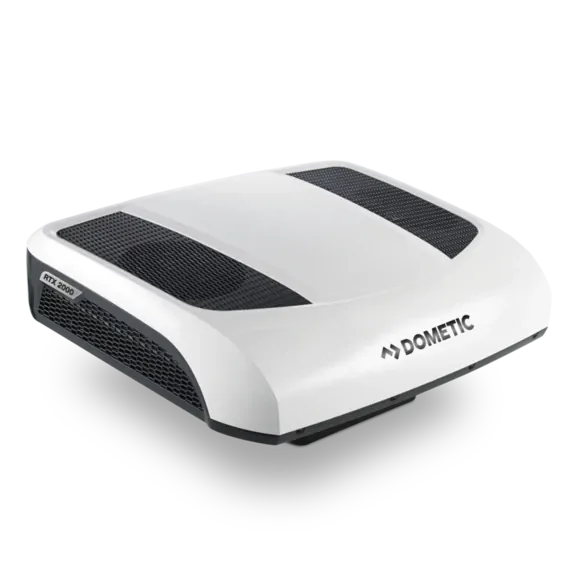
- Lite suits smaller caravans and campervans that need the lightest rooftop unit.
- Pro offers a stronger 2900 W cooling capacity for medium vans.
- Plus delivers the highest cooling output and premium airflow for larger vans up to about 7.5 metres or 25 ft.
Webasto Cool Top Trail

- Best for travellers who need strong cooling in hot inland and outback climates.
- Good for long trips through summer heat with reliable reverse cycle performance.
Furrion Rooftop Units

- A compact and quiet option for caravans where size, power draw and cost matter.
- Smooth heating and cooling at a more budget friendly price.
Truma Under-Bunk Units

- Ideal for pop tops, hybrids or vans with limited roof strength.
- Saves roof space and gives quieter ducted airflow through the van.
Reverse cycle air conditioners work best when matched to your van size and travel style. Once you choose the right type, your setup stays comfortable in every season across Australia.
Installation Tips (Simple & Safe)
Installing a caravan air conditioner is one of those jobs where taking the safe, simple approach pays off. While many travellers are confident with basic DIY, fitting a reverse cycle unit involves working with wiring, roof openings, and proper sealing — all things that need to be done correctly to avoid leaks or electrical issues. Below are a few easy tips to help you understand what’s involved and how to set your van up the right way.
- Use a licensed electrician — incorrect wiring can void warranties.
- Check your roof strength and opening size (360x360 or 400x400 mm).
- Seal everything properly to prevent leaks, dust and moisture.
- Keep vents and airflow pathways clear.
- For off-grid, extra solar or batteries.
Common Mistakes to Avoid
Getting a reverse cycle caravan air conditioner is a great upgrade, but there are a few easy mistakes that can affect how well it works. Avoiding these will help your setup stay efficient, safe and comfortable on every trip.
- Choosing a unit that’s too small
- Ignoring power draw and startup load
- Blocking vents
- Installing a rooftop unit on a weak pop-top roof
- Expecting solar to run an air con alone
- DIYing 240V wiring
- Forgetting to clean filters
Avoid these and your air con will run efficiently and reliably year-round.
Quick Guide: What Size Reverse Cycle A/C Do You Need?
One of the most important steps in choosing a reverse cycle caravan air conditioner is matching the right cooling capacity to your caravan. If the unit is too small, it will struggle on a hot day. If it’s too large, it can cycle on and off too quickly and won’t cool or heat your van evenly. Use this simple guide to pick the right size for your setup, based on the most common types of caravan air conditioners and caravan layouts across Australia.
General Size Guide (kW of Cooling)
| Caravan Size / Type | Example Vans | Recommended Cooling Capacity |
|---|---|---|
| Compact caravans, vans, pop-tops | 10–16 ft | 2.0–2.5 kW |
| Medium caravans | 17–22 ft | 2.5–3.0 kW |
| Large vans & motorhomes | 22–24+ ft | 3.0 kW or higher |
| Big RVs with separate zones | Full-height RVs | Dual rooftop units |
Rooftop vs Under-Bunk Considerations
- Rooftop units deliver stronger airflow and more even cooling, making them the best choice for most caravans.
- But under-bunk units are ideal if:
- Your roof can’t support the weight
- You have a pop-top
- You’re keeping the roof free for solar
- You want quieter operation
Both types can deliver excellent heating and cooling when matched properly to your van size.
Selecting the right size ensures your air con performs efficiently, reduces strain on your power system and keeps your caravan comfortable year-round, no matter where your adventures take you in Australia.
Final Tips
Clean your filters, keep airflow clear, close windows on hot days and check seals on rooftop units. Make sure your battery bank, solar panels or inverter generator can support your system if you camp off-grid.
Reverse cycle caravan air conditioning gives you reliable heating or cooling for every season. With the right unit, your van stays comfortable anywhere in Australia.
Shop caravan air conditioners at Outback Equipment and get your van ready for year-round comfort.
