
How to Pump Yabbies for Bait: A Fishing Guide to Saltwater Yabbies
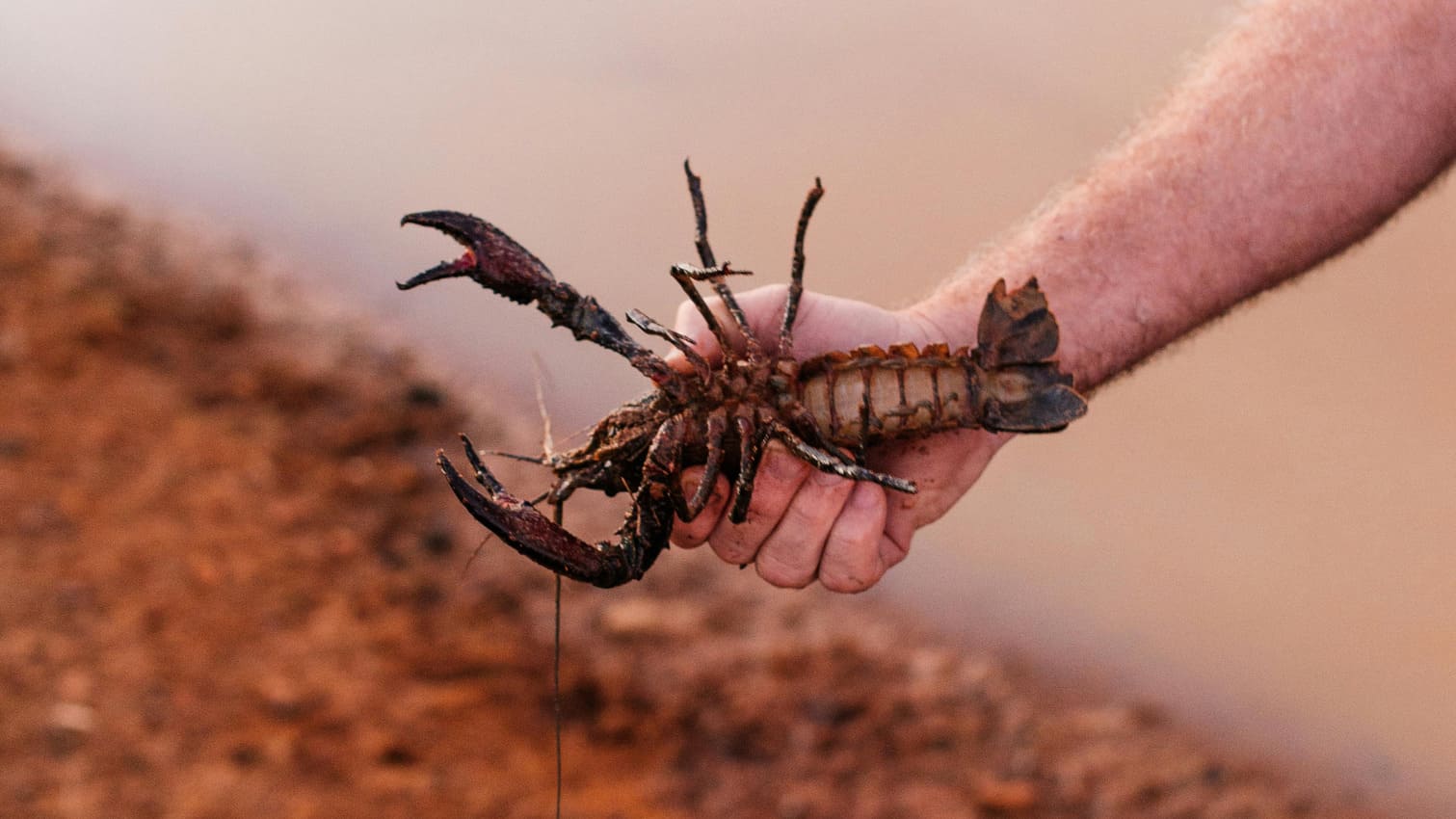
There’s nothing like digging up your own bait before a day on the water. Whether you’re chasing bream, flathead or whiting, yabbies (also called nippers) are some of the best live bait you can get your hands on. The best part is, you can collect them yourself.
Collecting nippers is easy once you know what to look for. It’s also great fun for the whole family, especially if you’re heading to the coast or spending time on the flats around low tide.
In this guide, we’ll show you everything you need to know, from spotting nipper holes and using a suction tool, to keeping your catch alive and following the rules in your state. So grab your bucket, roll up your sleeves, and let’s get started.
What You Need to Pump Yabbies
Before you head out onto the flats, make sure you’ve got the right gear. You don’t need much. Just a few simple tools to get started.
Yabby Pump Suction Tool
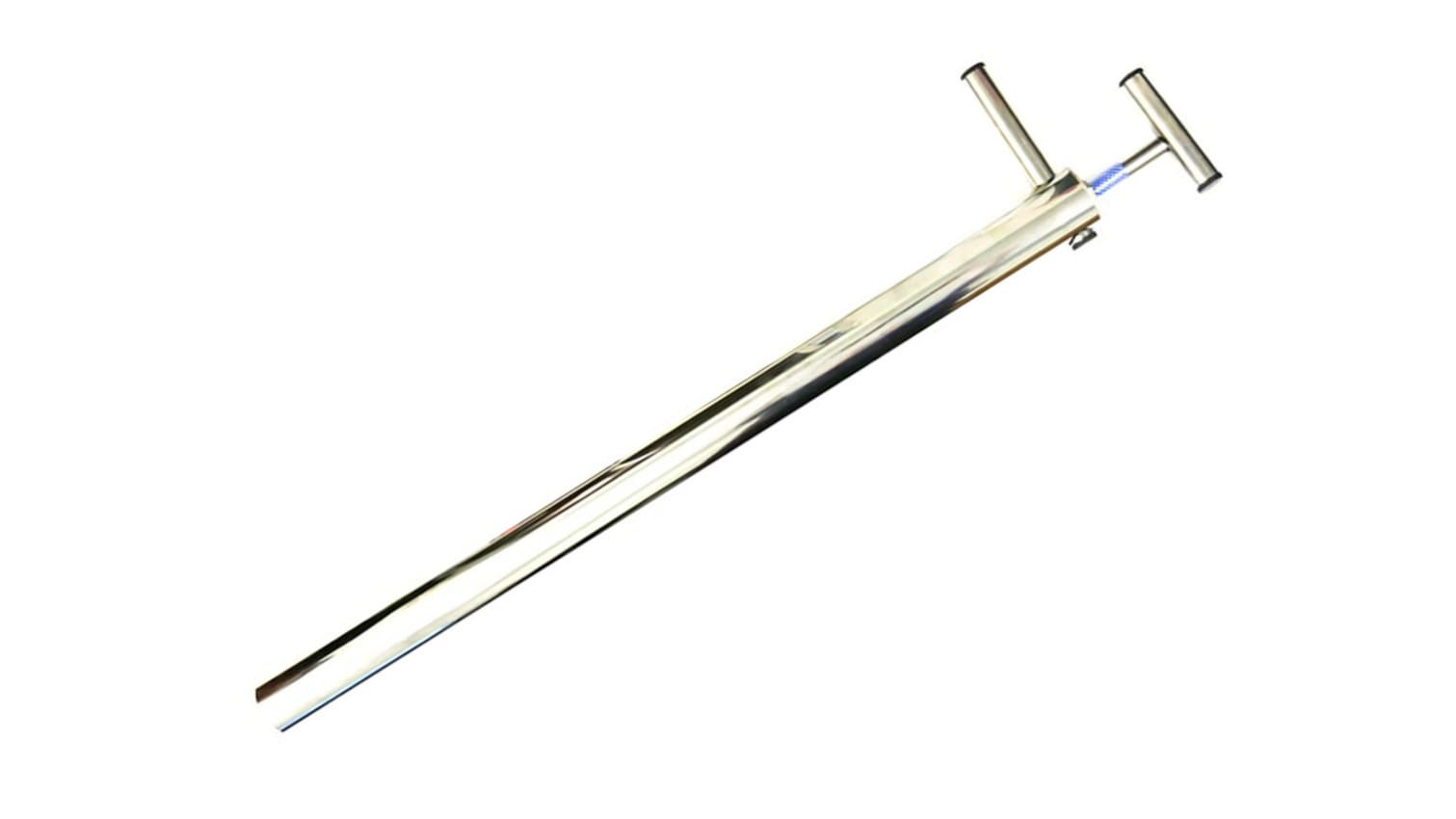
This is your main tool. A bait extractor is a long suction tube with a handle. It pulls the sand and burrowers out of their holes. Stainless steel or aluminium tools are tough and built to last. Make sure the washers inside are tight and not worn out, as that’s what creates the suction.
Shop our bait pumps and parts here
Sieve or Bait Mesh
After extracting the sand, sort through it with a sieve. This helps separate nippers from the mud. You can buy one or make your own. Many people wrap a pool noodle around the edge with zip ties so it floats in shallow water.
Shop our yabby and shrimp nets here
Bucket or Bait Creel
Once you find a nipper, pop it into a bucket or creel filled with fresh seawater. This keeps them alive and easy to carry.
Optional Extras
- Gloves. Handy for kids or first-timers handling nippers.
- Old shoes or reef boots. Useful for walking across muddy or rocky banks.
- Tent peg or rope. Helps anchor your sieve if you’re working in the water.
Grab all your bait-collecting gear in one place with our curated tools section. Check it out.
When and Where to Pump Yabbies
Collecting estuary bait thrives in the right place at the right time. Timing the tide and knowing where to go makes all the difference.
Best Time to Pump Yabbies
Plan to go yabby pumping around low tide, or either side of a low. This is when the sandbanks and mudflats are exposed, giving you easy access to yabby beds. You can still collect yabbies at other times, but it gets harder once the tide comes in. A sieve with a pool noodle float can help if the water is still covering the area where you are pumping.
On tidal flats, saltwater yabbies stay close to the surface while the water is low. That’s the best window to find and pump them without digging too deep.
Best Places to Find Yabbies
Look for sandy coastal areas, mudflats, or gently sloping beaches along the shore of a bay, estuary, or quiet river mouth. In places like Australia’s Gold Coast, nippers are easy to spot on exposed banks once the tide drops.
Watch for signs of activity. Bait beds are full of small holes in the sand, often in clusters. Saltwater bait critters like to hide in these spots between feeds. Look for bubbles or disturbed sand — ideal for collecting bait.
How to Spot Yabby Holes
Finding the right spot is half the battle. Before you even touch your yabby pump, you’ll need to learn what yabby holes look like and where to focus your efforts.
What to Look For
Saltwater yabbies, live just under the surface of sandy or muddy flats. Their holes are usually easy to spot if you’re paying attention. Look for:
- Small holes, about 5 to 10 millimetres wide
- Holes grouped in twos or threes
- Freshly disturbed sand or mud at the entrance
- Small water bubbles or wet patches in otherwise dry sand
You’ll often find dozens of these on exposed banks during low tide. The better yabby beds tend to be in open areas, not far from the shore, where tidal movement keeps the sand soft and wet.
Tip for Beginners
If you’re new to this, start in an area where you can see lots of grouped holes. Don’t waste time on scattered single holes. Yabby pumping thrives in places where they’re congregating in numbers.
Keep in mind that in some parts of Australia’s east coast, like the stunning Gold Coast, spots with a little water still covering the sand can actually be better. The yabbies stay closer to the surface, making them easier to pump.
How to Use a Yabby Pump
Once you've found a good patch of holes, it's time to get pumping. This is where your yabby pump, a long tube with a handle, does the hard work for you.
Follow this step-by-step method to pump yabbies efficiently and avoid missing your catch.
Step-by-Step Guide to Pump Yabbies
- Pick your hole
Choose a fresh-looking hole with signs of activity, such as wet sand or small bubbles. - Angle the pump
Instead of going straight down, place the end of the pump a few centimetres behind the hole. Insert it at a slight angle, aiming toward the centre. - Pump and pull
Push the pump into the sand while pulling back the handle. This creates strong suction that draws up sand, water, and hopefully a yabby or two. - Spray out the sand
Lift the pump out of the hole while keeping the handle pulled back. Then push the handle forward to spray the contents into a sieve or onto a flat surface nearby. If you're in shallow water, use a floating sieve to catch the yabbies. - Repeat 3 to 4 times
Pump the same hole several times, each time going slightly deeper. Yabbies often sit at different depths, especially in soft sand. - Check for yabbies
Look carefully through the sprayed sand. You might spot a wriggling saltwater yabby, nipper, or even the occasional crab.
Extra Tips for Fishing Enthusiasts
- Spray the sand in different spots instead of piling it all in one place. This helps prevent covering up the yabbies.
- Move across the area where you are pumping in a pattern rather than staying in one small zone.
- If you don’t find any yabbies after a few pumps, step a few metres to the side and try again.
- Check the washers inside your pump regularly. Worn washers reduce suction and make it harder to pump yabbies properly.
With a bit of practice, you'll be filling your bucket with prime live bait for flathead, bream, whiting, or even a big mulloway.
How to Keep Bait Yabbies Alive
Once you’ve finished collecting bait, the next step is keeping it alive and healthy. A lively nipper can make all the difference when you're out on the water chasing a bite.
Storage Tips for Saltwater Yabbies
- Use a small aerator
A compact air pump is a simple tool that keeps water moving. This is handy when you’re storing bait in still water or leaving it for a few hours. - Choose the right container
A plastic bait bucket with holes or a mesh net allows water flow if you’re wading or on the move. Just tie it off to your belt or boat when needed. - Rinse with seawater regularly
Don’t leave yabbies sitting in dirty or warm water. If you’re on a flat or down the beach, scoop in fresh seawater every hour or two to reduce stress. - Store them out of the sun
If you're fishing near pipis, worms, or other bait beds, chances are it’s already warm. Keep your yabbies in the shade or under a wet towel while you set up your line. - Keep the area clean
Dead or injured yabbies can spoil the rest. Remove any that aren’t moving and give your gear a rinse before heading back out. A quick clean makes a difference the next time you're chasing mullet, pipi, or even a cheeky crab.
Whether you’re fishing from the shore, walking a sandy bank, or setting up near a stunning Gold Coast inlet, looking after your yabbies gives you the best chance to turn them into a catch. It’s all part of being a smart angler.
Need the right live bait tank aerator or bucket? Shop live bait essentials at Outback Equipment.
How to Rig a Yabby for Fishing
If you’ve gone to the effort of catching your own bait, you’ll want to hook it the right way. Rigging a yabby properly helps it stay alive longer and gives a more natural movement in the water, which can make a big difference when targeting picky fish.
Here are three simple ways to put a saltwater yabby or nipper on a hook, whether you're fishing in the estuary, on a beach, or near a tidal bay.
1. Hook Through the Tail
Go two to three segments down from the end and slide the hook through the underside. This avoids piercing vital organs and helps the yabby kick naturally. Ideal for light tackle and when using a lure nearby as extra attraction.
2. Thread Like a Prawn
Start at the back and thread the hook through the yabby’s body, bringing the point out near the head. This method works well when you're casting in tidal water or using a slow reel. It holds firm during long casts.
3. Half-Hitch with the Hook Out
If the yabby isn’t lively, you can pin it through the mid-section and wrap the line around its body once. This gives it a straighter profile. Good when fishing for flathead, mulloway, or when drifting offshore.
Extra Tip for Beginners
Use a small long-shank hook for yabbies. It gives better hold and makes unhooking easier. Always check the size of your bait. If it’s too big for one fish, break off the tail or pinch the claws to get a better presentation.
However you choose to hook your yabby, try to keep it looking natural in the water. That’s what gets the bite.
Yabby Pumping Safety and Family Tips
Yabby pumping isn’t just about bait. It’s a fun way to get outdoors, explore the shore, and spend time with the family. Whether you’re walking a flat, digging along a beach, or teaching the kids how to use a yabby pump, safety always comes first.
Tips for Kids and Families
- Supervise young ones near water.
Many yabby beds sit close to the edge of a tidal estuary, so always keep an eye out. Make sure children know where the shore drops off. - Wear proper footwear.
Old sneakers or reef boots are ideal on sandy banks. They help avoid sharp shells, broken glass, or cuts from hard-bottomed areas where pipis and worms also live. - Be gentle when handling yabbies.
Teach kids to pick them up from behind the claws. A small nipper can give a tiny pinch, but it’s all part of the fun. - Use a small sieve.
Lightweight sieves are easy for kids to carry. Some families even cut pool noodles to size and zip-tie them around the edge so they float. - Stay clear of stingray holes.
Avoid larger round depressions in the sand. These could be spots where stingrays have rested, especially on the side of a low tide. - Clean up before heading home.
Rinse your tube with a handle, empty your bucket, and store your gear properly. It’ll be ready for your next bait fishing trip.
Yabby pumping is a great activity for fishing enthusiasts of all ages. It’s hands-on, budget-friendly, and gets everyone involved in catching your own bait. Just pick a safe location, bring the right gear, and you’ll be set for a good time on the sandy coastal areas.
Know the Rules in Your State
Before you head out with your yabby pump, it’s important to understand the local regulations. Each state and territory in Australia has different rules for recreational bait collection, including how many yabbies you can keep, where you can pump, and what gear you’re allowed to use.
Why You Should Check Your Local Rules
- There may be restrictions on tidal zones, beach access, or protected estuary areas.
- Some places limit how many saltwater yabbies or nippers you can take.
- In certain states, it’s illegal to collect yabbies in marine parks or offshore zones.
- Rules can change from season to season, so it's best to stay up to date.
Basic State-by-State Summary
- Queensland: Size and bag limits apply. You must not take egg-bearing females. Visit the Queensland Fisheries website for current info.
- New South Wales: Yabbying is permitted in most tidal waters, but not in sanctuary zones. A recreational fishing licence is often required.
- Victoria: Some areas allow yabby collection, but rules may differ between freshwater and saltwater zones.
- South Australia, Western Australia, Tasmania, and the NT: Regulations vary widely. In some areas, yabby pumps are banned or restricted.
Always check the official website for your state before heading out. Search for your local fishing authority and look under bait fishing or recreational collecting rules. You can usually find a downloadable guide or map of where you can and can't pump yabbies
Simple Reminder
Take only what you need, avoid sensitive areas, and help keep our sandy coastal areas thriving for future generations.
Conclusion
There’s something satisfying about catching your own bait. With a simple yabby pump, a bit of patience, and the right spot along the shore, anyone can dig up fresh, wriggling nippers for their next session. Whether you're casting into a calm estuary, walking the beach at low tide, or helping the kids pump their first yabby on the sandy coastal areas of Australia’s Gold Coast, this hands-on experience is a classic part of fishing.
This comprehensive guide has shown you how to spot yabby holes, use your pump, keep your bait alive, and follow the local regulations. You’ve also learned how to rig a yabby like a prawn, when to use a net or cast net, and how to store your catch beside other baits like pipis, worms, or mullet.
Whether you're flicking a lure, drifting along a freshwater edge, or soaking a line on the side of a low tide, a lively yabby is one of the most reliable options. They’re easy to collect, fun for the whole family, and a proven favourite for fish like bream, mulloway, flathead, and whiting.
Check your local rules, pack your bucket, and head out. With the right tools and a little luck, your next catch is just a pump away.
