
The Ultimate Guide to Caravan Power Inverters: Maximise Your Setup
Guide to Caravan Power Inverters: Maximise Your Setup
Imagine parking at a beautiful remote campsite away from the noise of the city. The view is stunning and the only sound is nature around you. As the sun sets and the night gets cooler you realise you need more than peace and quiet. You want to make a hot coffee, keep your fridge running or charge your devices. To do that you need a reliable power source.
This guide will help you get the best power setup for your caravan. You will learn about different inverters, how to choose the right size and which brands to consider. If you are upgrading or buying your first inverter this guide will make it easy to decide. Let’s get started and power up your next adventure.
What is a Power Inverter and Why Do You Need One for Your Caravan?
A caravan power inverter gives you reliable power when you are off-grid. It changes your battery’s DC (direct current) power into 240V AC (alternating current) power so you can use appliances anywhere. This makes travel more comfortable and convenient. You can run fridges, coffee machines and laptops without mains power. Many inverters also work with solar panels to keep your battery charged in a sustainable way.
A good power inverter helps you save money. It will allow you to use your normal home appliances on your caravan trip instead of buying expensive 12V versions. Some inverters also have special features to keep you safe. These include energy-saving modes, overload protection, and short-circuit prevention. Exploring the outback or relaxing by the beach, a good inverter keeps you comfortable and connected.
How to Choose the Right Power Inverter for Your Caravan Inverter Setup
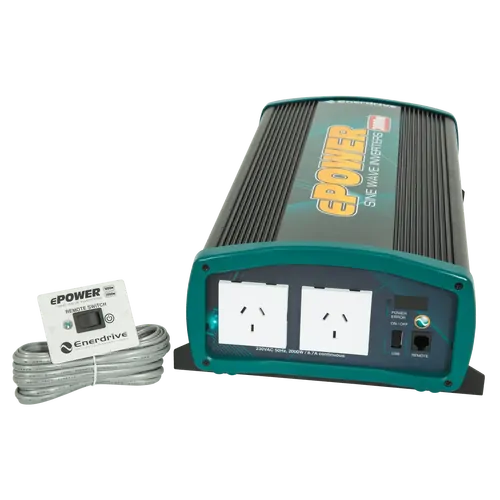
Image of Enerdrive 2000W/12V PSW Inverter
Types of Power Inverters
There are two main types of power inverters. Modified sine wave inverters are cheaper and work well for basic devices like fans and lights. But they can cause problems with sensitive electronics like laptops and TVs. This happens because they create noise or interference. Pure sine wave inverters give smooth and stable power just like what you use at home. They are best for modern appliances like fridges and microwaves. They also work well for other devices that need steady power. Pure sine wave inverters cost more but are the better choice for high-power and sensitive equipment.
Determining Your Power Needs
Make a list of the appliances you want to use. Check how much power each one needs. Add up the total and include extra for devices that use more power to start like fridges and coffee machines. Pick an inverter that can handle both regular and peak power. Make sure your battery is big enough to support it.
Features to Look For
Choose an inverter with safety features like overload protection and short circuit prevention. Energy-saving modes and digital displays make it easier to manage your system. If you use solar panels, pick an inverter that works with them. For Australian conditions, go for a weatherproof and sturdy model that can handle tough environments.
Installation Guide: Setting Up Your Caravan Power Inverter
Always talk with a professional before installing your inverter in your caravan. Taking the right steps, you can set it up to power your caravan appliances safely and efficiently.
Quick Installation Checklist
- Choose the Right Location: Select a spot close to your battery bank. Ensure it’s well-ventilated and away from water and heat.
- Secure the Inverter: Mount it using screws or brackets. Make sure it is stable and easy to access.
- Attach Battery Cables: Use high-quality cables. Connect the positive (red) cable to the inverter’s positive terminal and the negative (black) cable to the negative terminal.
- Add a Fuse or Circuit Breaker: Install a fuse on the positive cable to protect against surges.
- Plug in Appliances: Connect your appliances to the inverter’s outlets. If the inverter has a remote switch, install it in a convenient location.
- Test the Setup: Turn on the inverter and test with one appliance at a time.
Safety Tips
- Disconnect your battery before starting to install to avoid shocks.
- Keep the inverter dry and ventilated to reduce the chance of overheating.
- If you’re not confident about any step, consult a licensed electrician.
Maximising Efficiency: Tips for Using Your Caravan Power Inverter
Using your power inverter efficiently ensures longer battery life and reliable performance. Here are some tips:
- Turn off devices when not in use: This prevents unnecessary power drain.
- Use energy-efficient appliances: LED lights and modern fridges consume less power.
- Install solar panels: Recharge your batteries during the day to reduce strain on your system.
- Plan device usage: Start with essential appliances like fridges. Add smaller devices one at a time.
- Troubleshoot common issues: Check connections, charge levels, and cables often. Make sure the inverter has good airflow to prevent overheating.
Top Power Inverter Recommendations for Caravans
Finding the right power inverter depends on your needs. If you're travelling off-grid, here are some recommendations from our extensive range:
Budget-Friendly Options:

- Dometic SinePower MSI 412 - Inverter: Ideal for charging phones and laptops. Small and affordable.
- Redarc Sine Power Inverter 350W: Lightweight and reliable for devices like TVs and small tools.
High-Performance Options
- Enerdrive ePOWER 2000W Pure Sine Wave Inverter: Perfect for running coffee machines, kettles or toasters.
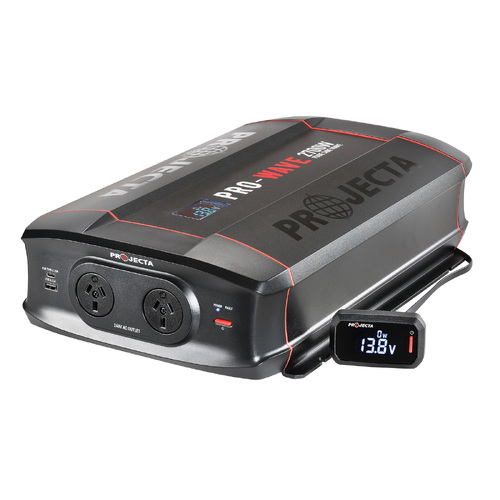
- Projecta 2700W 12V Pure Sine Wave Inverter: Handles air conditioners and other high-powered devices seamlessly.
Compact Options for Small Caravans
- Projecta 500W: A compact pure sine wave inverter designed for efficient and quiet power on the go.
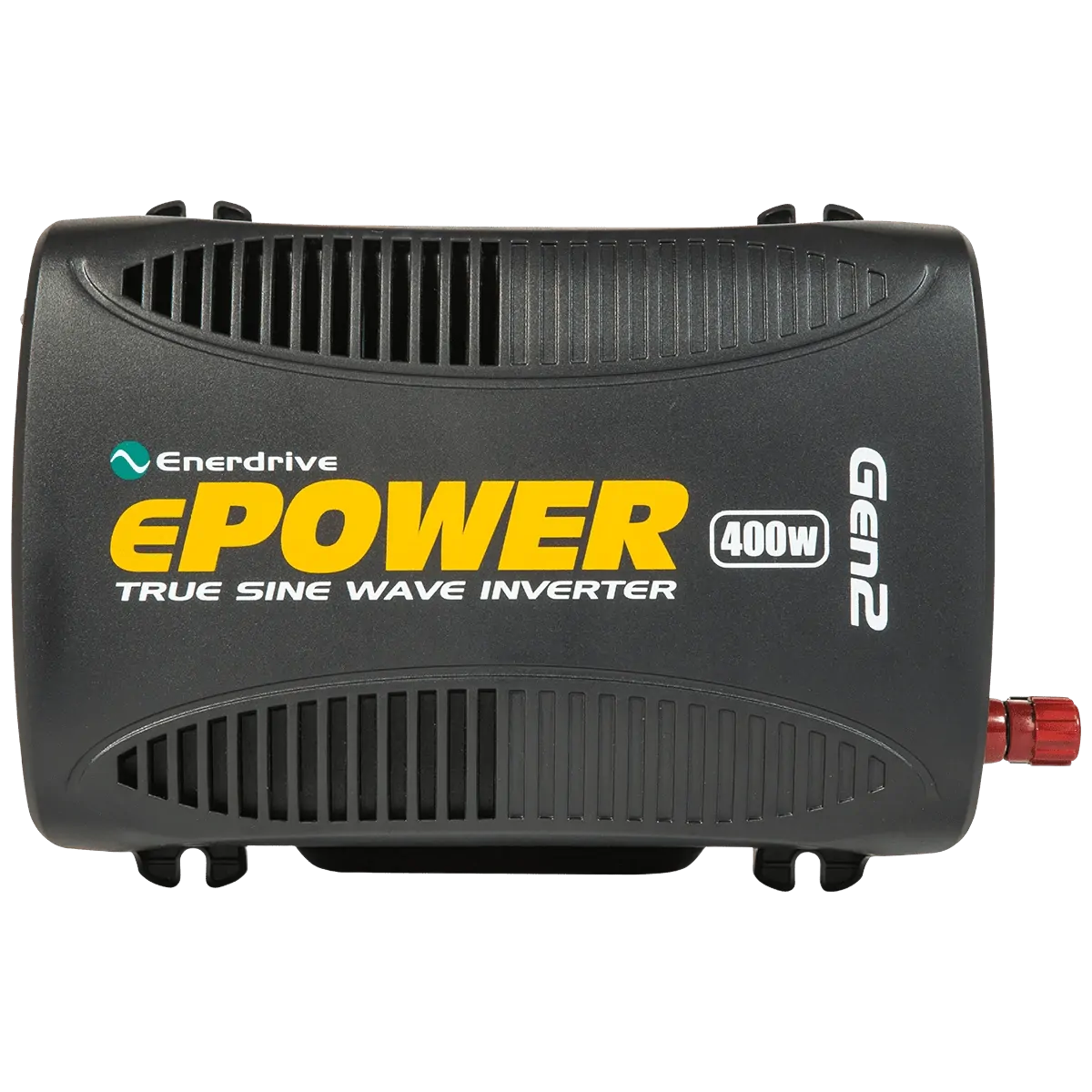
- Enerdrive ePOWER 400W: Compact and efficient for basic setups.
Maintaining Your Caravan Power Inverter for Longevity
Taking care of your inverter helps it last longer and work better. Check the cables and connections often to ensure they are secure and corrosion-free. Wipe the outside with a dry cloth to keep it clean. Keep the vents clear so it does not overheat. Check your battery regularly to avoid putting too much strain on the inverter.
If your inverter has trouble powering devices or keeps shutting off it may need to be replaced. Overheating is another sign it is wearing out. Older inverters may not have the latest features. Upgrading can make your system work better. Regular maintenance and replacing old parts will keep your setup running smoothly on every trip.
A caravan power inverter is a must-have for off-grid travel. It lets you use everyday appliances and stay comfortable anywhere. Picking the right inverter is important. Installing it correctly and using it wisely keeps your system safe and reliable. Regular maintenance helps it last longer. Now that you know how to choose and care for your inverter you can enjoy worry-free adventures with power whenever needed.
By following this guide, you can confidently choose, install, and maintain a caravan power inverter that fits your needs. Ready to upgrade your setup? Explore our range of inverters, or contact our friendly team to help you choose the right one.
Frequently Asked Questions About Caravan Power Inverters
What is a caravan inverter and why do I need one?
A caravan inverter changes 12V or 24V DC power from your batteries into 240V AC power. This lets you run household appliances when you are off-grid. It gives you a reliable power supply when you are not connected to mains power at a caravan park or campsite.
What size inverter do I need for my caravan or motorhome?
The inverter size you need depends on the appliances you want to run. Add up the wattage of all devices you will use at the same time. Choose an inverter with a bit more capacity than the total wattage. For example, if you need to power a kettle that uses 2000W and a laptop that uses 100W a 3000W inverter would work well. This gives you enough power and some extra capacity for safety.
Can I run all my appliances at the same time with a caravan inverter?
Not always. The size of your inverter and the power needs of your appliances will decide what you can run. Make sure the inverter can handle the total power you need. Some appliances like fridges need extra power to start. It is best to use high-power devices one at a time to avoid overloading the inverter.
How do I connect a caravan inverter to my electrical system?
Connect the inverter directly to your deep-cycle battery. Use the right cable thickness to handle the power load. Link the inverter to your appliances through a separate circuit. If you are unsure how to install it safely, ask a professional for help.
What should I consider when selecting an inverter for my caravan?
When choosing an inverter, think about power output in watts and input voltage of 12V or 24V. Decide if you need a pure sine wave or a modified sine wave. Look for features like efficiency, overload protection, and a good warranty. Check if it has extras like USB ports or remote control options to match your needs.
Can I use my caravan inverter while driving around Australia?
Technically, you can use your inverter while on the move, but we do not recommend it. It can be a safety hazard. Sudden stops, vibrations, or electrical faults could cause issues. It is best to use your inverter when parked to keep your setup safe.
How do I maintain my caravan inverter for optimal performance?
Keep your caravan inverter clean and dry. Make sure it has good airflow to prevent overheating. Check and tighten connections often. Protect it from extreme temperatures. Do not overload the inverter. Follow the manufacturer's instructions for use and maintenance. Taking care of it will help it last longer and work well.
Can I charge my caravan batteries using the inverter?
Most basic inverters do not charge batteries. Some advanced models, called inverter chargers, can charge batteries when connected to mains power or a generator. If you need this feature, choose an inverter with a built-in battery charger. You can also use a separate battery charger for your caravan system.
Are there any safety concerns when using a caravan inverter?
Yes, there are safety rules to follow when using a caravan inverter. Install it properly and use the right wire size. Add fuses or circuit breakers for protection. Never overload the inverter. Keep it away from water and heat. Make sure it has good airflow. If you are not sure how to use or install it, ask our team for advice through live chat or email.
How long will my caravan inverter run on battery power?
| Estimate run time on different 12V Battery Bank Size | |||||
|---|---|---|---|---|---|
| AC Load | 60AH | 120AH | 180AH | 240AH | 300AH |
| 50 W | 11 hrs | 22 hrs | 33 hrs | 44 hrs | 55 hrs |
| 100 W | 5 hrs | 11.5 hrs | 17 hrs | 23 hrs | 29 hrs |
| 200 W | 2.5 hrs | 5 hrs | 8 hrs | 11 hrs | 13.5 hrs |
| 500 W | 49 mins | 2 hrs | 3 hrs | 4 hrs | 5 hrs |
| 1000 W | 15 mins | 49 mins | 1.5 hrs | 2 hrs | 2.5 hrs |
| 1500 W | 8 mins | 27 mins | 1 hr | 1 hr | 1.5 hrs |
| 2000 W | N.R. | 15 mins | 34 mins | 49 mins | 1 hr |
| 2600 W | N.R. | 11 mins | 25 mins | 37 mins | 49 mins |
Note: Specifications subject to change without notice.
Run time depends on your battery size and how much power your appliances use. To figure this out, divide the battery's amp-hour rating by the total amps your devices need. For example, a 100Ah battery running a 120W device at 10A and 12V would last about 10 hours. It is best to keep deep-cycle batteries above 50 percent to make them last longer.
